

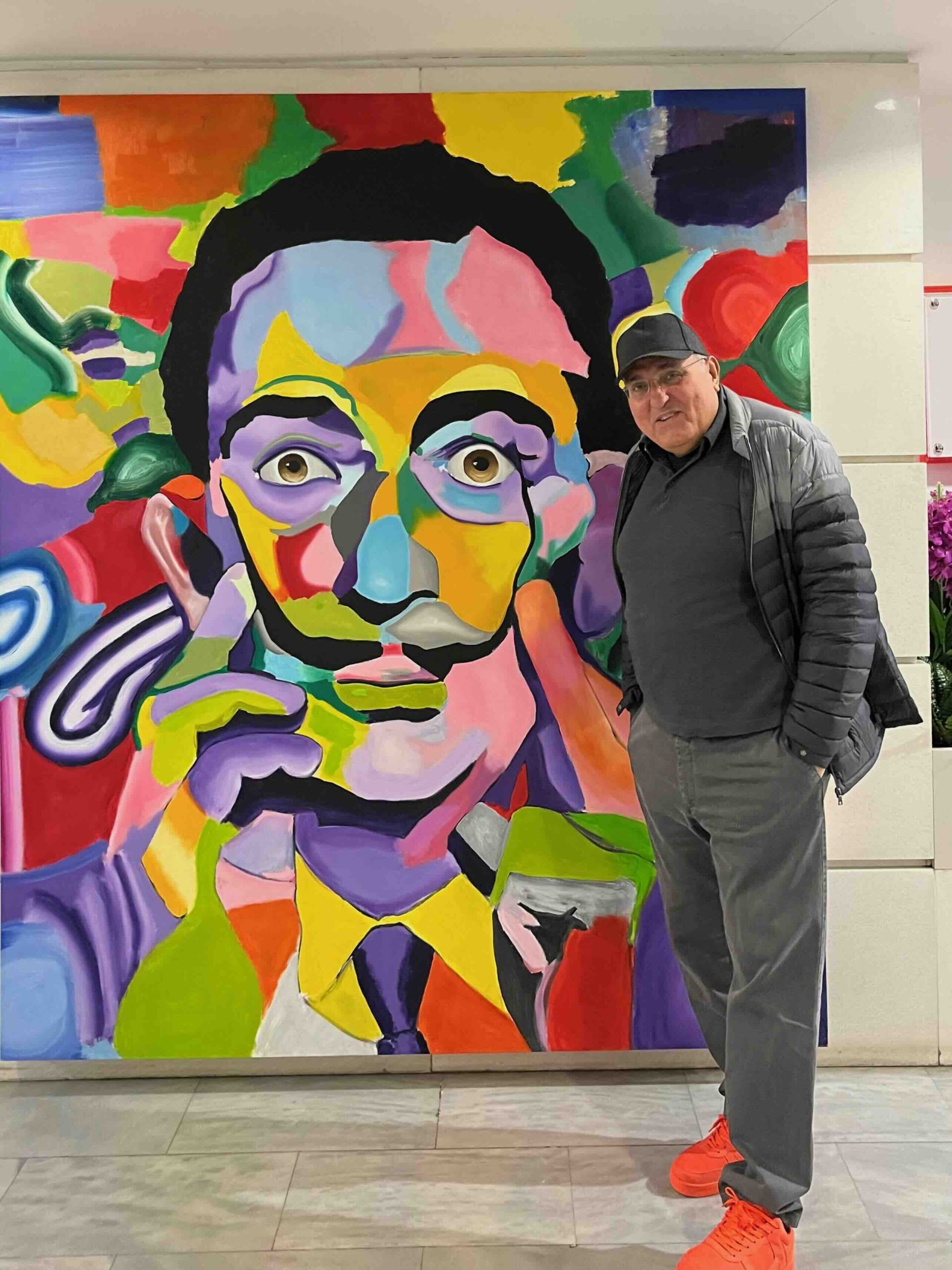
Η ζωγραφική του Manos αναπτύσσει έναν ιδιότυπο διάλογο με την παράδοση της ποπ και μετα-ποπ τέχνης, ιδίως με την εμβληματική προσωπογραφία του Andy Warhol. Αν ο Warhol μετέτρεψε την εικόνα του προσώπου σε σύμβολο μαζικής αναγνωρισιμότητας, ο Manos αποδομεί την επιφάνεια της εικόνας για να ανασυνθέσει το πρόσωπο ως ενεργειακό, ψυχολογικό πεδίο. Εκεί όπου στον Warhol η εικόνα εξαντλείται στην επανάληψη του εικονικού, στον Manos η μορφή ανακτά το βάθος της· δεν είναι πλέον απλή αναπαραγωγή, αλλά μετασχηματισμός, μια μεταμόρφωση.
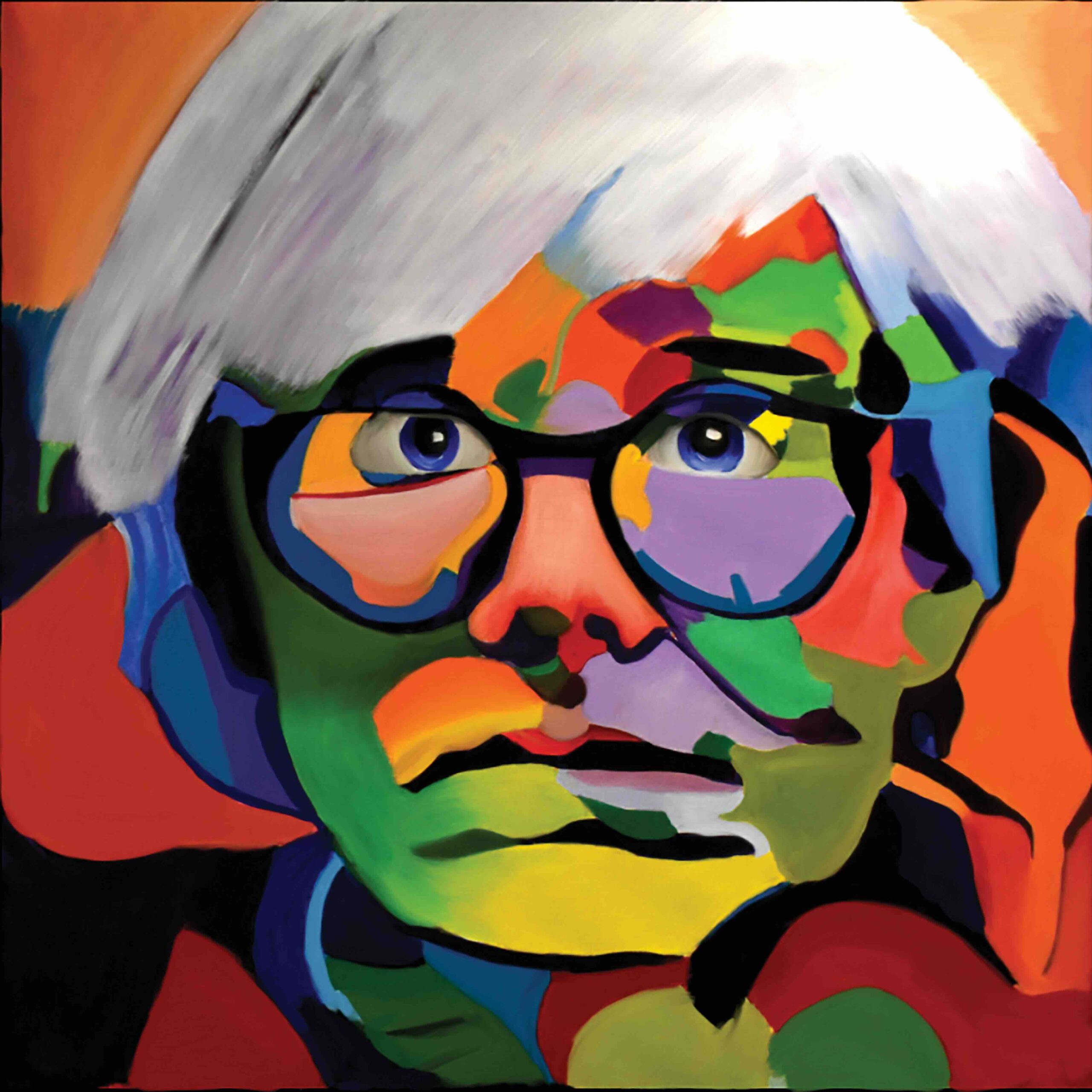
Ο Warhol προσέγγισε το πρόσωπο με μηχανική ψυχρότητα, απογυμνώνοντάς το από κάθε ίχνος προσωπικής χειρονομίας. Μέσω της μεταξοτυπικής αναπαραγωγής οι μορφές της Marilyn, του Elvis ή της Liz Taylor μετατράπηκαν σε αναλώσιμα είδωλα της καταναλωτικής φαντασμαγορίας. Η απουσία του ζωγραφικού ίχνους, η διάλυση της μορφής μέσα στη λάμψη της εμπορικής εικόνας, η αδράνεια του βλέμματος και η έλλειψη χρωματικού βάθους, οδήγησαν σε επίπεδες, συνθετικές και απρόσωπες μορφές.
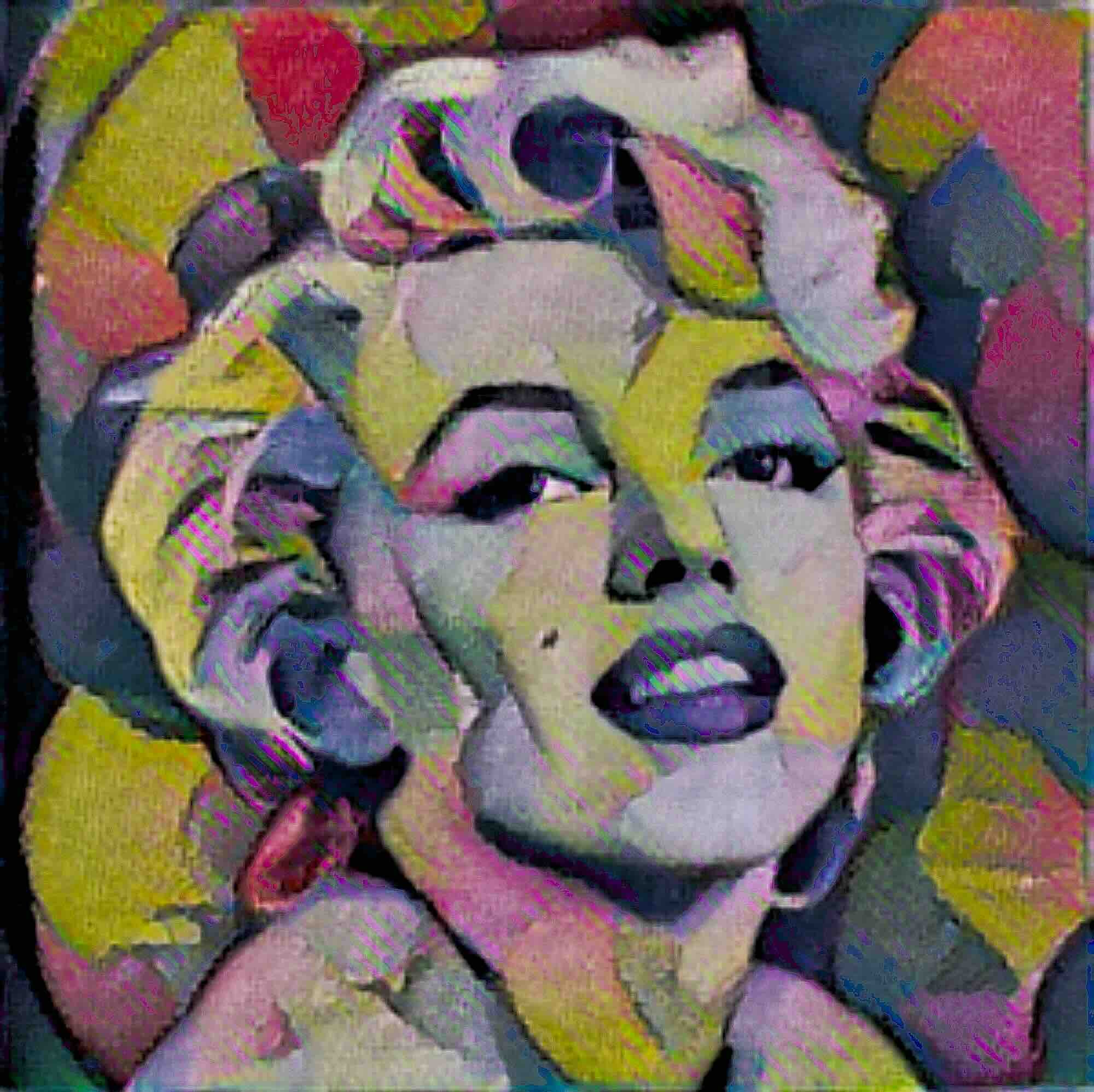
Για πολλούς καλλιτέχνες μετά τον Warhol η φωτογραφία ήταν εργαλείο τεκμηρίωσης και μέσο προβληματισμού πάνω στην ίδια τη φύση της εικόνας. Ο Gerhard Richter, με τις θολές και φευγαλέες μορφές του, αποδόμησε τη φωτογραφική πιστότητα, μετατρέποντάς την σε πεδίο ξεθωριασμένης μνήμης και ασάφειας. ο Chuck Close αποσύνθεσε το φωτογραφικό πορτρέτο σε χιλιάδες χρωματικά pixels, μεταφέροντας τη μηχανική ψυχρότητα της φωτογραφίας στη χειροποίητη διαδικασία της ζωγραφικής. Ο David Hockney χρησιμοποίησε τη φωτογραφία για να ανασυνθέσει τον χώρο και το βλέμμα, επαναφέροντας στο προσκήνιο την συναισθηματική ζεστασιά και την εμπειρική αμεσότητα που έλειπαν καιρό από τη μηχανική εικόνα.
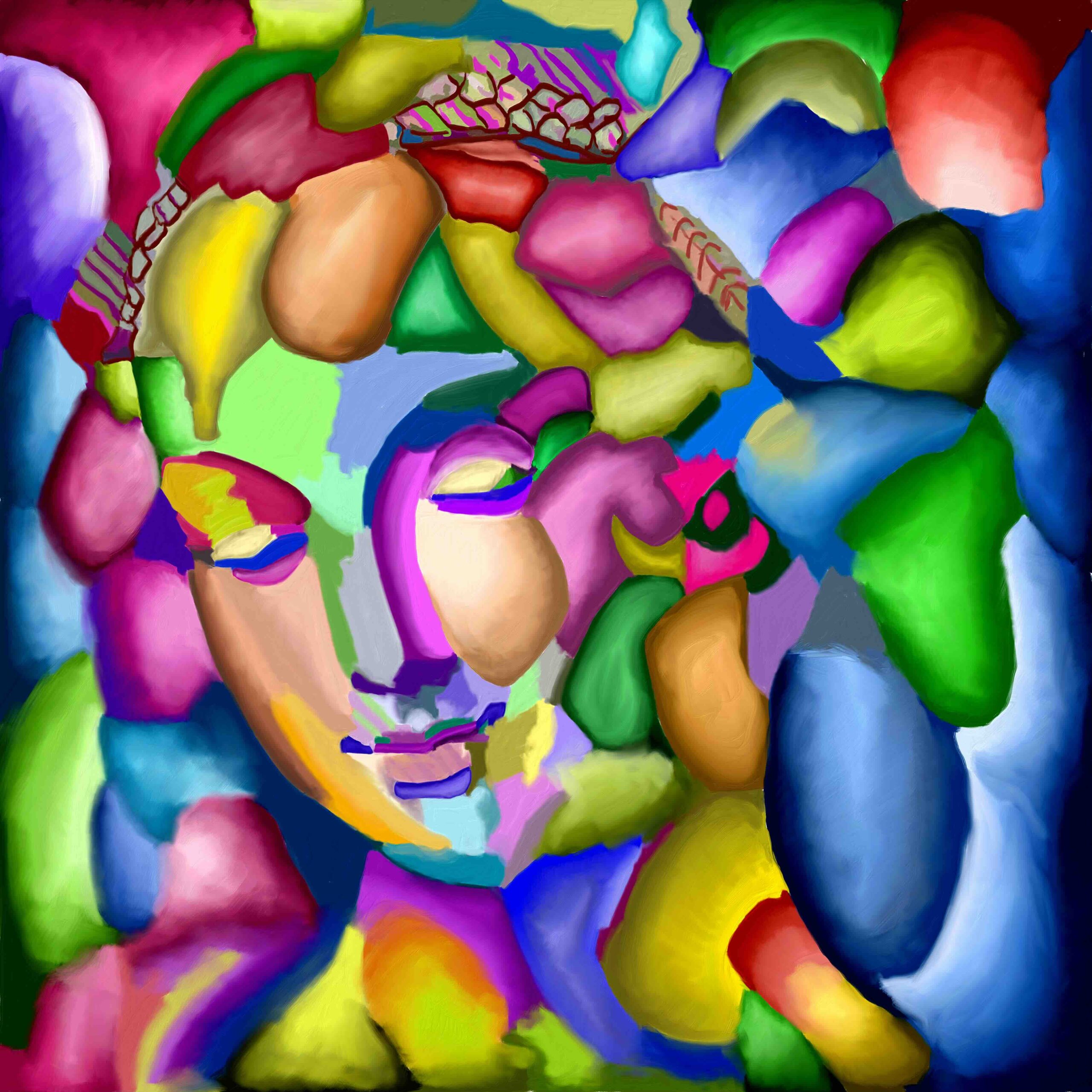
Κάπου ανάμεσα σε αυτές τις διαφορετικές προσεγγίσεις, οι προσωπογραφίες του Manos διεκδικούν τον δικό τους χώρο, σε μια εποχή όπου η ψηφιακή τεχνολογία έχει αναδιαμορφώσει ριζικά τη σχέση μας με την εικόνα. Ο Manos αντιδρά στην ψυχρή υπεραφθονία της ψηφιακής αναπαράστασης με μια συνδυαστική επιστροφή στη ζωγραφική χειρονομία, στην ενεργειακή φυσικότητα του χρώματος και στην ψηφιακή αισθητική ως εμπειρία. Η ζωγραφική του δεν απορρίπτει την οθόνη· τη αναδομεί. Το χρώμα γίνεται πεδίο διαλόγου ανάμεσα στο απτό και το εικονικό, στο ανθρώπινο και το τεχνητό βλέμμα. Εκεί όπου η φωτογραφία και η ψηφιακή εικόνα απορροφούν το υποκείμενο, ο Manos επιχειρεί να το επαναφέρει, να ξαναδώσει στο πρόσωπο τη βαρύτητα της παρουσίας και στο βλέμμα τη δυναμική της εσωτερικότητας. Εκεί όπου ο Warhol κατασκευάζει μια εικόνα-προϊόν, ο Manos προτείνει μια εικόνα-παρουσία επανατοποθετώντας το πρόσωπο στο πεδίο του ανθρώπινου βιώματος, εκεί όπου η μνήμη γίνεται ενέργεια και το χρώμα μετατρέπεται σε συναισθηματικό αποτύπωμα.
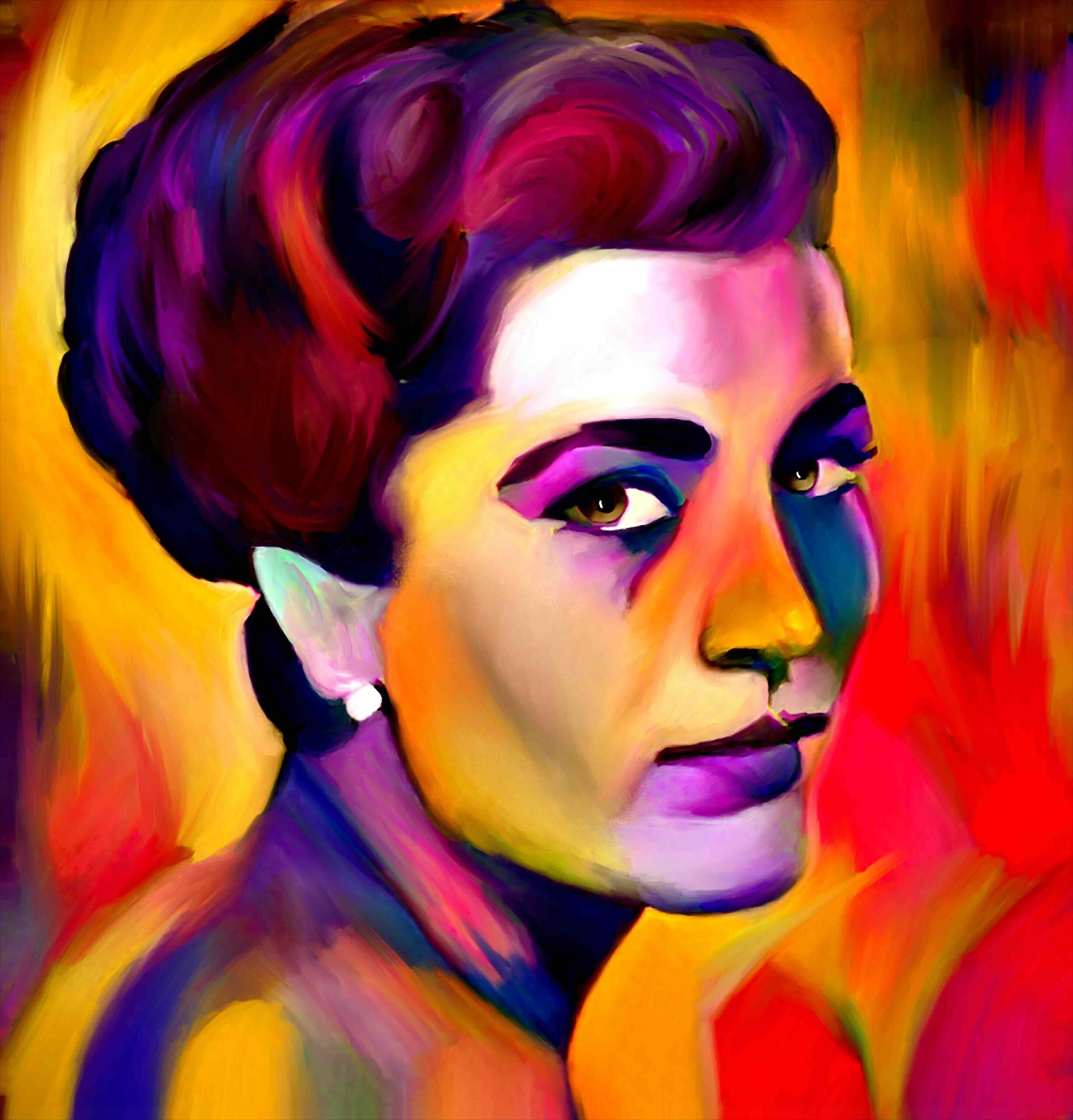
Η μετακυβιστική δομή των χρωματικών πεδίων και η παλμικότητα τους μετατρέπουν την επίπεδη επιφάνεια σε ψυχολογικό χώρο. Η μορφή ανακαλεί τη μνήμη του προσώπου στην εποχή της υπερ-εικόνας και του τεχνητού βλέμματος. Έτσι, η ζωγραφική του Manos δεν αντιγράφει την πραγματικότητα, αλλά την επαναπροσδιορίζει, προτείνοντας μια νέα, ανθρωποκεντρική εικονολογία της ματιάς, υπενθυμίζοντας ότι το πρόσωπο παραμένει ένας φορέας ενέργειας, μνήμης και ψυχικής παρουσίας. Το βλέμμα, σταθερό και στοχαστικό, γίνεται σημείο συνάντησης του θεατή με την προσωπικότητα του εικονογραφούμενου.

Παρόλο που τα ζωγραφικά και αναλογικά χρωματικά πεδία θα μπορούσαν να έχουν αυθύπαρκτη αξία, εντούτοις, υποτάσσονται στη συνοχή της μορφής, συνθέτοντας τα χαρακτηριστικά ενός προσώπου μέσα από τονισμένες αντιθέσεις του φούξια, του πράσινου και του κόκκινου, του κίτρινου, του τιρκουάζ και του μπλε. Μια ποικιλία από χρωματικούς τόνους, παίζουν με το επίπεδο και το βάθος, δημιουργώντας έναν πολύχρωμο πολυμορφισμό που εξελίσσεται σε οπτική ψυχογραφία. Εδώ, το χρώμα δεν επιτελεί απλώς το διακοσμητικό του ρόλο αλλά γίνεται εκφραστικό και παλμικό, φορέας εσωτερικής ενέργειας και συναισθηματικής έντασης. Οι εμβληματικές προσωπικότητες του δυτικού πολιτισμού που επιλέγει ο Manos από το χώρο της τέχνης, του πολιτισμού και της πολιτικής απογυμνώνονται από την απλή αναγνωσιμότητα και μετατρέπονται σε αρχετυπικές μορφές που υπερβαίνουν την ιστορική και κοινωνική τους ταυτότητα για να αποκτήσουν μια συμβολική και καθολική απήχηση.
Γιάννης Κολοκοτρώνης
Καθηγητής Ιστορίας και Θεωρίας της Δυτικής Τέχνης Τμήμα Αρχιτεκτόνων Μηχανικών / Δ.Π.Θ.
Yannis Kolokotronis, From Warhol to Manos: Post-Pop Portraiture as a Psychological Landscape
Manos’ painting develops a distinctive dialogue with the tradition of Pop and Post-Pop art, particularly with Andy Warhol’s iconic portraiture. If Warhol transformed the image of the face into a symbol of mass recognition, Manos deconstructs the surface of the image to reconstruct the face as an energetic and psychological field. Whereas in Warhol’s work the image is exhausted in the repetition of the iconic, in Manos’s work the form regains depth; it is no longer a simple reproduction but a transformation — a metamorphosis.
Warhol approached the face with mechanical detachment, stripping it of any trace of personal gesture. Through silkscreen reproduction, the faces of Marilyn Monroe, Elvis Presley, or Liz Taylor were transformed into disposable idols of the consumerist spectacle. The absence of painterly trace, the dissolution of form within the glare of the commercial image, the inertia of the gaze, and the lack of chromatic depth resulted in flat, synthetic, and impersonal forms.
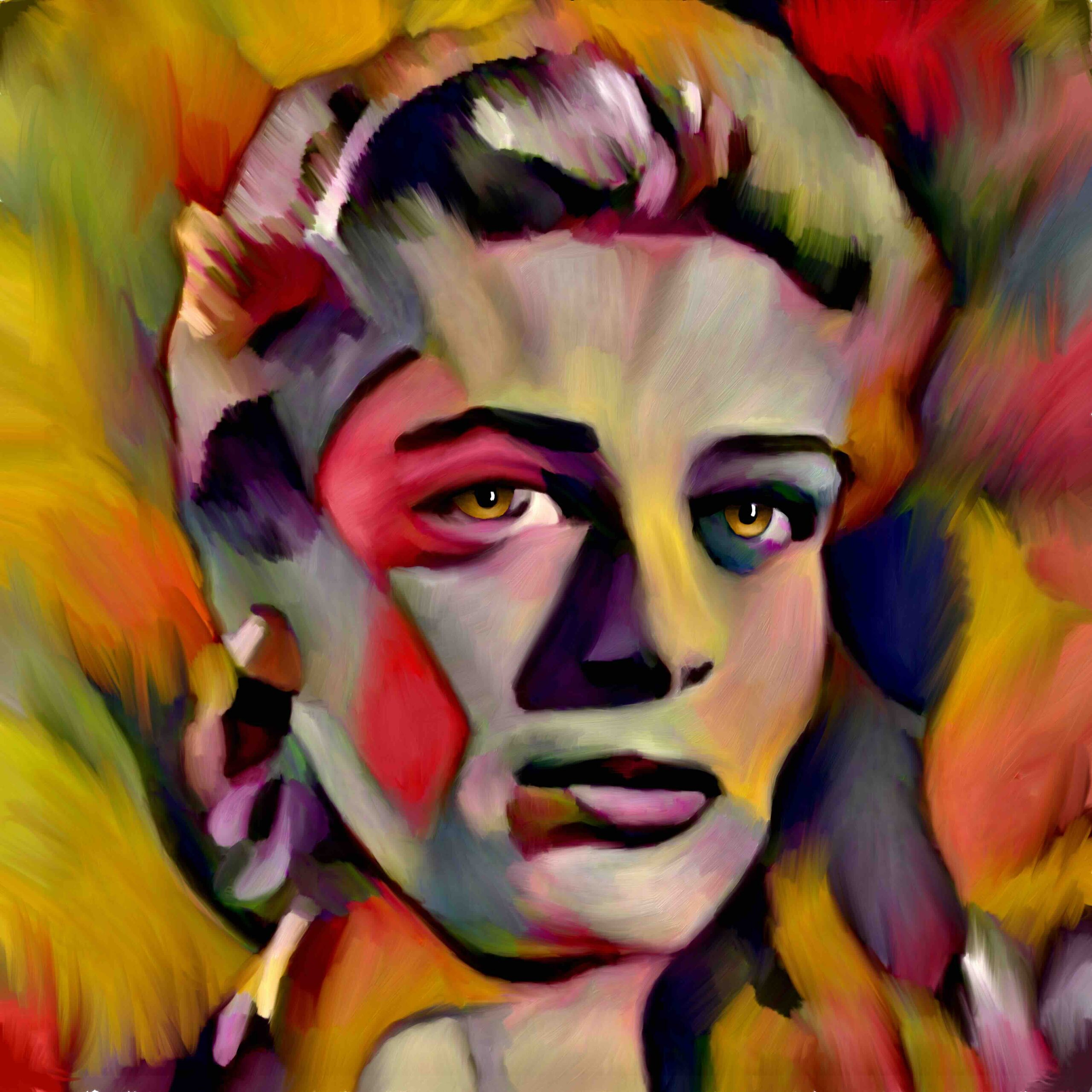
For many artists after Warhol, photography became not only a tool for documentation but also a means of reflecting on the very nature of the image. Gerhard Richter, with his blurred and fleeting forms, deconstructed photographic fidelity, transforming it into a field of faded memory and ambiguity. Chuck Close decomposed the photographic portrait into thousands of chromatic pixels, transferring the mechanical coldness of photography to the handmade process of painting. David Hockney used photography to reconstruct space and gaze, bringing back into painting the emotional warmth and experiential immediacy long absent from the mechanical image.
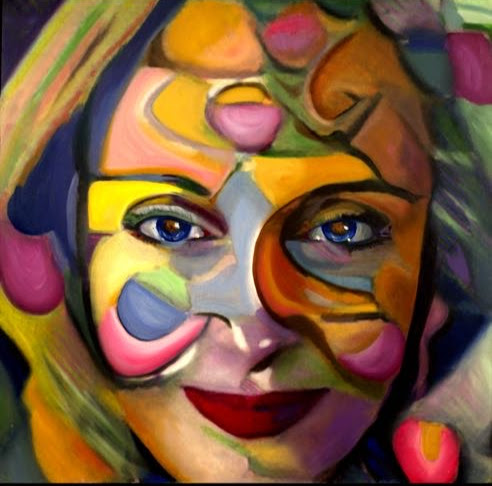
Amid these diverse approaches, Manos’ portraits claim their own space in an era when digital technology has radically reshaped our relationship with the image. Manos responds to the cold abundance of digital representation with a combined return to painterly gesture, the energetic naturalness of color, and digital aesthetics as lived experience. His painting does not reject the screen; it translates it. Color becomes a field of dialogue between the tangible and the virtual, between the human and the artificial gaze. Where photography and the digital image absorb the subject, Manos seeks to restore it — to give the face back its gravitas of presence and the gaze its inner dynamism. Where Warhol constructs an image-as-product, Ioannidis proposes an image-as-presence, repositioning the face within the realm of human experience, where memory becomes energy and color is transformed into an emotional imprint.
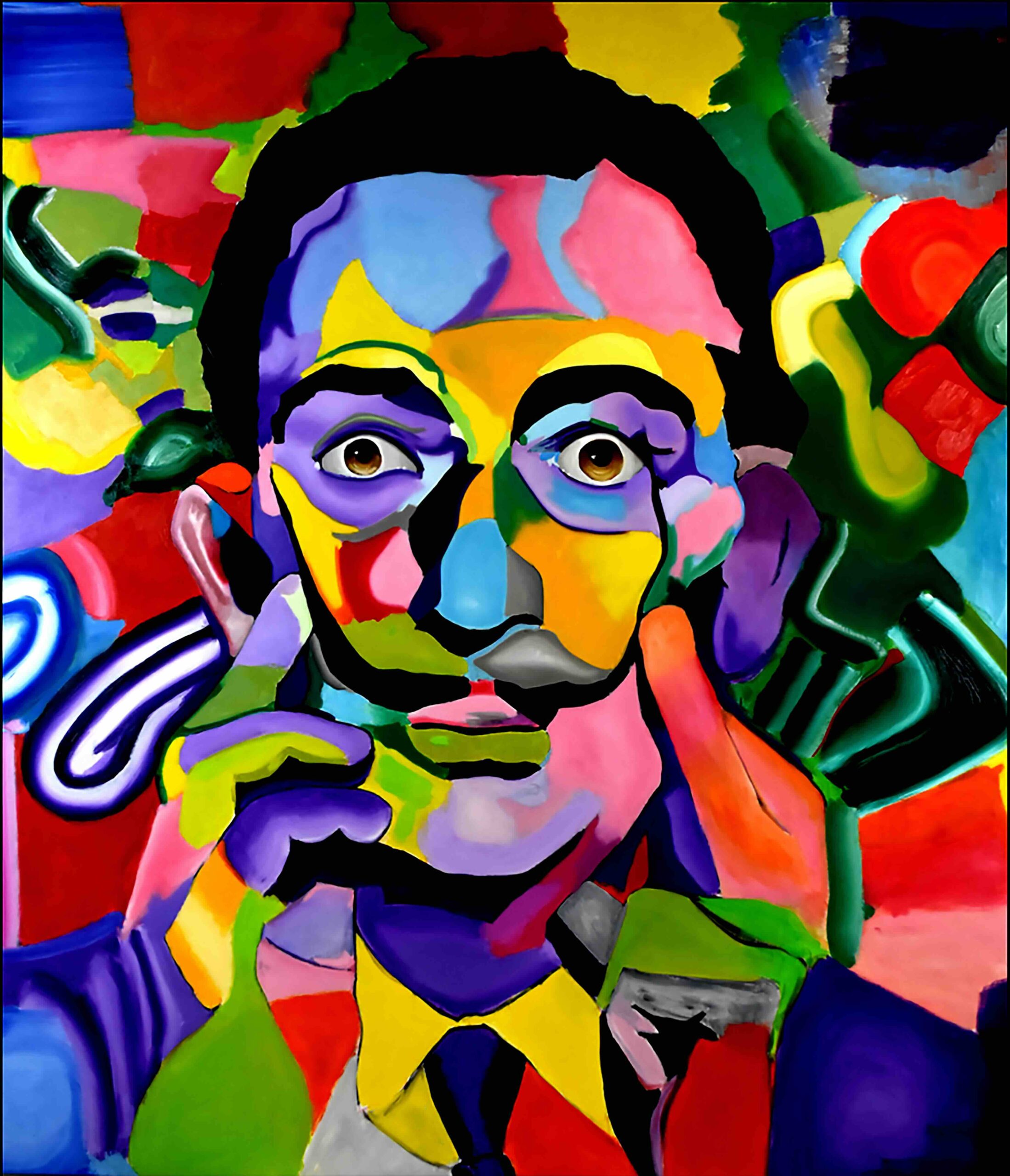
The post-cubist structure of the color fields and their pulsating rhythm transform the pictorial surface into a psychological space. The form recalls the memory of the face in the age of the hyper-image and the artificial gaze. Thus, Manos’ painting does not copy reality but redefines it, proposing a new anthropocentric iconography of vision, reminding us that the face remains a vessel of energy, memory, and spiritual presence. The gaze — steady and contemplative — becomes a meeting point between the viewer and the inner life of the depicted figure.
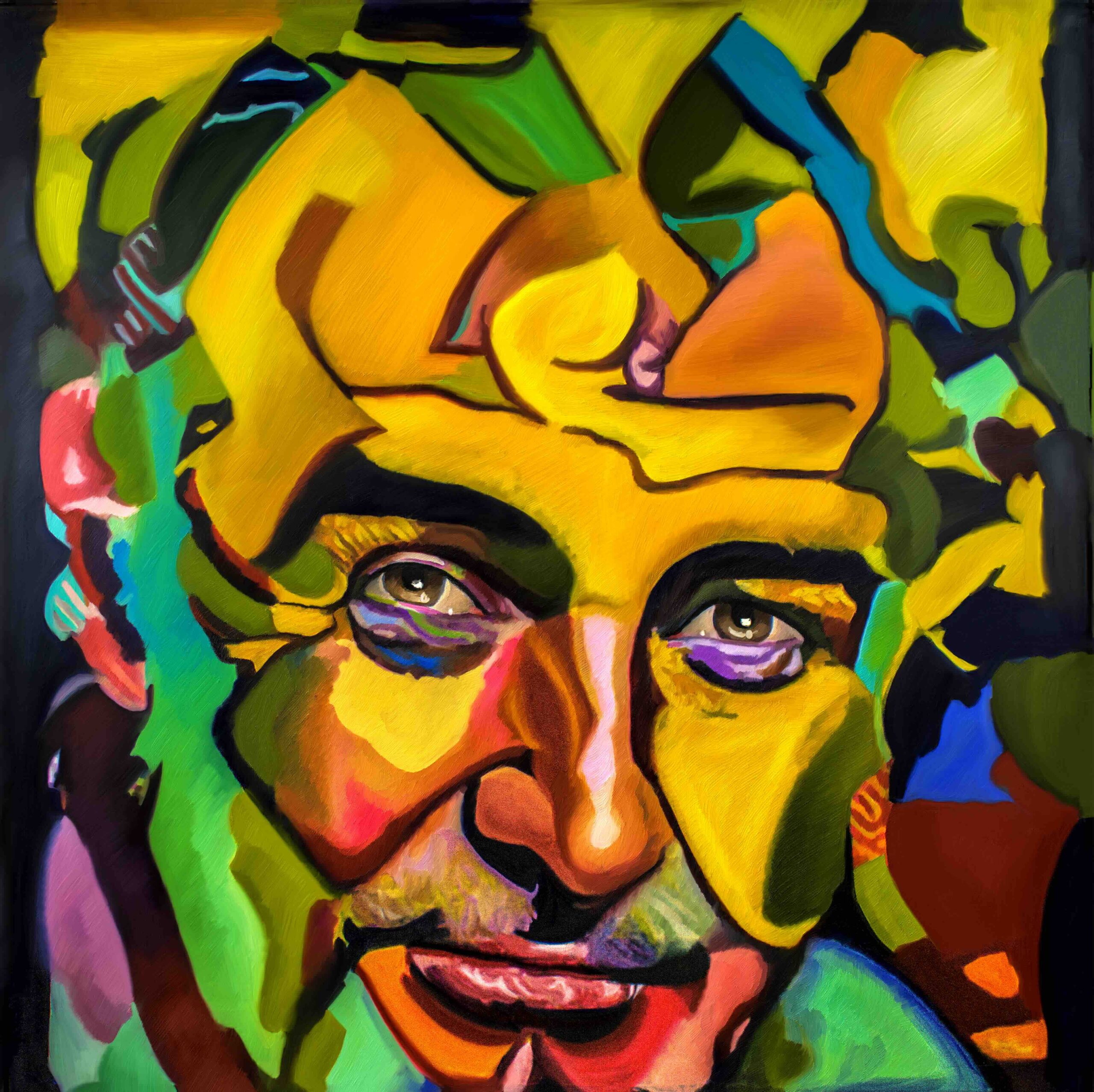
Although the chromatic fields could have independent aesthetic value, they nevertheless submit to the coherence of the form, composing the features of a face through accentuated contrasts of fuchsia, green, yellow, turquoise, ochre, and cobalt blue. Variations in tone and saturation play between plane and depth, creating a vibrant chromatic polymorphism that evolves into a visual psychography. Here, color does not merely fulfill a decorative function but becomes expressive and pulsating — a carrier of inner energy and emotional intensity. The emblematic figures of Western culture chosen by Manos — from the realms of art, culture, and politics — are stripped of simple recognizability and transformed into archetypal presences, transcending their historical and social identities to acquire symbolic and universal resonance.
Yannis Kolokotronis
Professor of History and Theory of Western Art – Department of Architectural Engineering / Democritus University of Thrace